



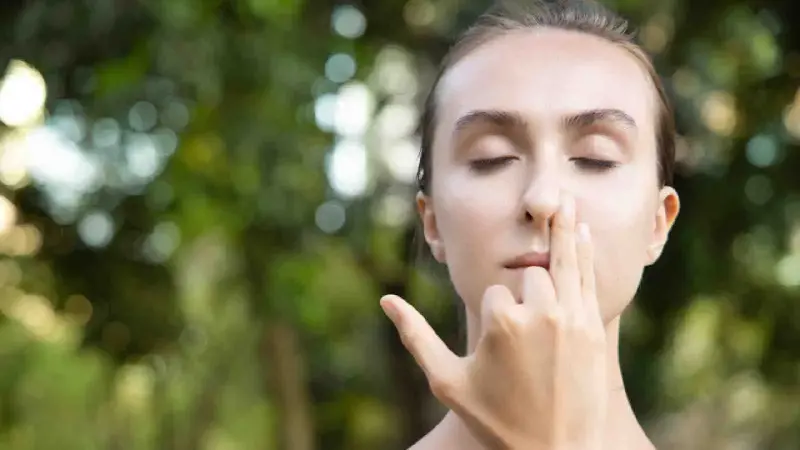
Stress, irregular schedules, and mental strain may impact blood pressure and heart health. In such cases, the natural and calming way to balance the body is through Pranayama. The yogic science of breath control, pranayama, regulates breathing patterns, addresses the nervous system, and promotes better oxygen circulation. It could help maintain good blood pressure levels and emotional health with consistent, deliberate use.
There is a strong link between breathing and thinking. The mind is restless when breathing is rapid and irregular. Slow, controlled breathing promotes relaxation in the body and calmness in the nervous system. This relaxing effect promotes good blood flow and helps relieve physical and mental fatigue.
How does Pranayama help maintain a balance in blood pressure?
Pranayama promotes full, rhythmic breath and relaxation of the blood vessels, promoting oxygen transport throughout the body. It also helps maintain a balance between the sympathetic and parasympathetic nervous systems. This equilibrium supports the body's ability to handle stress more calmly and helps stabilise the heart. "Regular breathing practice also enhances emotional stability, mental clarity, and relaxation. Just a few quiet minutes each day can make a difference in one's health and wellness," Yoga and spiritual leader, Himalayan Siddhaa Akshar, tells Health Shots.
-
Alternate nostril breathing (anulom vilom Pranayama)
- Formation: The practitioner is comfortable with a straight spine. The nose is closed with one hand, while breathing in with the other. The nostrils are alternately slowly opened and closed in a natural breathing rhythm.
- Benefits: Anulom Vilom is a technique that helps calm the nervous system and increase oxygen flow. It helps balance the body's emotions, reduces mental tension, and promotes relaxation, which can help maintain healthy blood pressure.
- Do’s and Don’ts: Breathing should be relaxed without straining. Practise in a quiet space and ensure you are relaxed throughout.
2. Bhramari pranayama (humming bee breath)
- Formation: Practitioner closes eyes and slowly exhales while humming. The vibration produced by the sound relaxes the body and mind.
- Benefits: Bhramari is relaxing to the nervous system and helps to ease emotional stress. It relaxes the mind and brings balance to the breath and heart rate.
- Do’s and Don’ts: The "hum" sound should be soft and comfortable. Do not strain or over-exert while practising. Breathe easily while working through the practice.
3. Sheetali pranayama (cooling breath)
- Formation: The practitioner first rolls the tongue into a tube, then slowly inhales through it and gently exhales through the nose. Lips may be slightly parted if tongue rolling is difficult.
- Benefits: Sheetali pacifies the mind and cools the body. It lowers internal heat and emotional stress, promoting relaxation and helping maintain healthy blood pressure.
- Do’s and Don’ts: Work in a pleasant, sanitary environment. The breathing should be gentle and relaxed. Don't practice in extremely cool conditions.
4. Ujjayi pranayama (victorious breath)
- Formation: The practitioner slowly inhales and exhales through the nose, constricting the throat slightly to produce a soft sound. Deep, regular respiration continues.
- Benefits: Ujjayi helps to regulate breathing and promotes tranquillity. It calms the mind, enhances oxygen flow and brings emotional balance.
- Do’s and Don’ts: Your voice should be relaxed, but not too tight. Exercise care and don't strain.
5. Deep diaphragmatic breathing
- Formation: The practitioner places one hand on the abdomen and breathes slowly and deeply, letting the abdomen rise on the inhale and sink on the exhale.
- Benefits: This practice involves relaxing the whole body and improving breathing efficiency. It is helpful for relaxation and can help prevent mental pressure, which can affect blood pressure.
- Do’s and Don’ts: Breathing must be free and easy. Don't take shallow breaths or breathe quickly.
Pranayama is a slow, natural way to support healthy blood pressure through mindful breathing. These are gentle breathing techniques that soothe the mind, relax the body and increase balance. Practising pranayama regularly can become a tranquil daily routine that promotes healthy hearts, emotional balance, and harmony.