Animals
Scientists recorded more than 50 days of deep-ocean footage before a goblin shark appeared for just over 20 seconds near the Tonga Trench, one of the first two confirmed sightings of this 125-million-year lineage alive in its natural habitat
Animal expert weighs in on Jimothy, the short-spined raccoon in Seattle
Three white Bengal tiger cubs debut at Kemaman Zoo
Con Dao Island releases 35,000 baby turtles into the ocean.
‘Boris the Blade’ buzzard’s reign of terror over villagers
A polar bear’s fur looks white, but it contains no white pigment: its long guard hairs are transparent, hollow tubes that scatter light like crushed ice, while the skin underneath is black, helping absorb what little Arctic sunlight reaches it
The truth about cats chewing that vets and behaviorists want owners to know
Dudhwa’s glowing fungi return with the monsoon
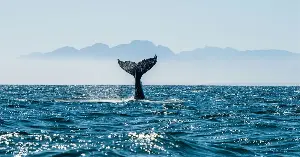
Every few years the entire humpback population of the South Pacific abandons its song and adopts a brand-new one that has drifted in from thousands of miles away—the only known case of a culture-wide fashion sweeping a species that isn’t human
Prairie dogs don’t just warn their colony that a predator is near. Their alarm calls seem to encode what kind of animal is coming, and in some experiments its colour, size, and how fast it moves — all from a rodent’s squeak
Do killer whales get a kick out of brutally bashing their dinner to bits?
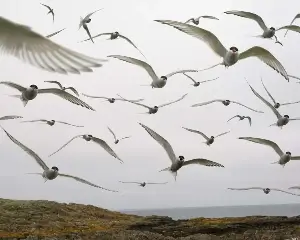
British wading bird faces extinction as habitats disappear
Matted dog is finally shaved after rescue – and her stunning features are revealed!
Pet duckling abandoned in the park begs for help, but everyone ignores her: "You left this baby for dead"
In 1960, anthropologist Louis Leakey sent a 26-year-old English secretary named Jane Goodall — who had no university degree and no scientific training — to a stretch of forest called Gombe to study wild chimpanzees. Within months she had observed a chimpanzee stripping leaves off a stalk to fish termites from a mound, overturning the long-held belief that only humans made and used tools
Firefighters help tiny pigeon recover from smoke inhalation in adorable rescue!
Vets explain what dogs' crate escapes are really trying to tell you
Sea eagles will be tracked to stop attacks on lambs
Roaring Royalty: Fascinating Secrets Behind The Real Life Of Lions In The Wild
Cats sleep between 12 and 16 hours a day not because they are lazy but because their hunting strategy requires explosive short-burst energy — and a body that can sprint at nearly 50 kilometres per hour needs most of the day to prepare for a few seconds of effort