



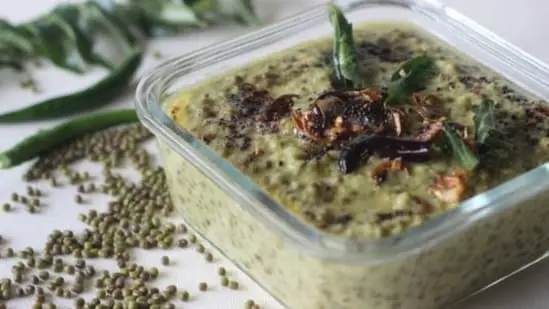
Gentle spices, soft mung beans, and lightly cooked rice come together to create a simple summer meal with balanced flavour and smooth texture. Light and easy mung bean khichdi detox combines yellow moong dal, rice, vegetables, ginger, and cumin to create a high-protein summer-friendly recipe with mild aroma, golden colour, and soft consistency.
Mung bean khichdi has been prepared in Indian homes for generations because moong dal cooks quickly and pairs well with rice and vegetables. The dish is commonly made by pressure-cooking rice and split mung beans with turmeric, cumin, ginger, and seasonal vegetables until soft and creamy. Lighter spices and minimal oil help keep the khichdi suitable for hot-weather meals and easy everyday cooking.
Light and easy mung bean khichdi detox for summer differs from regular dal khichdi because it uses lighter seasoning, softer texture, and easily digestible mung beans instead of heavier lentils and richer tadkas. Regular dal khichdi often develops a thicker texture and stronger spice flavour, while mung bean khichdi feels softer, fresher, and more suitable for lighter summer eating routines.
Yellow moong dal develops a soft texture and mild flavour that works especially well in lighter summer meals. The combination of rice and moong dal creates a balanced meal with protein, fibre">protein, fibre">protein, fibre, and simple ingredients that feel easier during hot weather. Ginger, cumin, turmeric, and vegetables add gentle flavour and fresh aroma while keeping the khichdi suitable for relaxed lunch routines and lighter evening meals.
Its soft texture, mild spices, and creamy consistency make it suitable for lunch, dinner, or recovery meals after long, hot days. The combination of mung beans, rice, vegetables, and light seasoning creates a high-protein summer khichdi that feels practical, nourishing, and easy to prepare at home.
Difference Between Mung Bean Khichdi Detox and Regular Dal Khichdi
Feature |
Mung Bean Khichdi Detox |
Regular Dal Khichdi |
|---|---|---|
Main Lentil Used |
Yellow moong dal |
Mixed dals or toor dal |
Texture |
Soft and smooth |
Thick and heavier |
Taste Profile |
Mild and lightly spiced |
Rich and strongly spiced |
Protein Content |
Moderate to high |
Moderate |
Digestibility |
Easier to digest |
Slightly heavier |
Colour |
Light golden yellow |
Deep yellow or orange |
Summer Suitability |
Highly suitable |
Moderate |
Main Highlight |
Light detox style meal |
Hearty comfort meal |
Meal Type |
Light lunch or dinner |
Main meal |
Oil and Ghee Usage |
Minimal |
Moderate |
Quick Summer Khichdi Snapshot
Prep Time: 10 minutes
Cook Time: 25 minutes
Servings: 3 servings
Calories: 220 calories per serving
Flavour Profile: Mild, soft, and lightly spiced
Nutrition: High protein and fibre-rich
Difficulty: Easy
Soft Mung Bean Khichdi with Vegetables and Gentle Summer Spices
This light mung bean khichdi combines rice, moong dal, vegetables, ginger, and cumin to create a balanced summer meal. The soft texture and mild spices make the dish suitable for lighter lunch and dinner routines.
Ingredients
- 1/2 cup yellow moong dal
- 1/2 cup rice
- 1 small carrot, chopped
- 1/4 cup peas
- 1 teaspoon grated ginger
- 1 teaspoon cumin seeds
- 1/2 teaspoon turmeric powder
- 1 tablespoon ghee or oil
- Salt as needed
- Fresh coriander leaves for garnish
Step-by-Step Instructions
- Wash the rice and moong dal properly until the water becomes clear. Proper washing improves the texture of the khichdi.
- Heat ghee or oil in a pressure cooker and add cumin seeds and grated ginger. Cook briefly until aromatic.
- Add chopped vegetables, turmeric powder, rice, and moong dal into the cooker. Mix gently for even flavour distribution.
- Pour enough water and add salt. Pressure-cook until the rice and dal are soft and creamy.
- Garnish with coriander leaves and serve hot with yoghurt, pickle, or lightly cooked vegetables.
Easy Tips To Make The Mung Bean Khichdi
Add Bottle Gourd or Zucchini
These vegetables blend smoothly into the khichdi and improve hydration. They also keep the dish lighter for summer meals.
Use Brown Rice Instead of White Rice
Brown rice improves fibre content and creates a slightly firmer texture. It also makes the khichdi more balanced for weight loss meal plans.
Add Fresh Ginger Generously
Fresh ginger improves aroma and creates fresher flavour. It also pairs especially well with mung beans.
Include Spinach Towards the End
Spinach adds colour, iron, and freshness without changing the texture too much. It also blends with the mild spices.
Use Homemade Ghee in Small Amounts
A small spoon of homemade ghee improves aroma and flavour. It also keeps the khichdi smooth without making it overly rich.
Pair with Fresh Curd or Raita
Fresh curd balances the spices and creates a cooler flavour combination during summer. It also improves the overall texture of the meal.
Roast the Moong Dal Before Cooking
Light roasting creates a nuttier flavour and improves aroma in the khichdi. It also gives the dal a slightly better texture after cooking.
Nutritional Value of Mung Bean Khichdi Detox
Mung bean">Mung bean">Mung bean khichdi combines rice, moong dal, vegetables, and mild spices to create a balanced, high-protein summer meal.
Nutrient |
Amount Per Serving |
|---|---|
Energy |
220 calories |
Protein |
11 g |
Carbohydrates |
32 g |
Fat |
5 g |
Fibre |
6 g |
Iron |
Moderate |
FAQs
Is mung bean khichdi suitable for summer meals?
Mung bean khichdi uses mild spices and lighter ingredients that work especially well during hot-weather meals. Its soft texture also makes it suitable for lighter lunch and dinner routines.
Which rice works best for mung bean khichdi?
Short-grain rice, sona masoori rice, or brown rice works especially well for khichdi preparation. These varieties create a creamy texture after cooking.
Can mung bean khichdi be prepared without vegetables?
Mung bean khichdi can also be prepared using only rice, moong dal, and mild spices. Vegetables mainly improve texture, colour, and nutritional balance.