


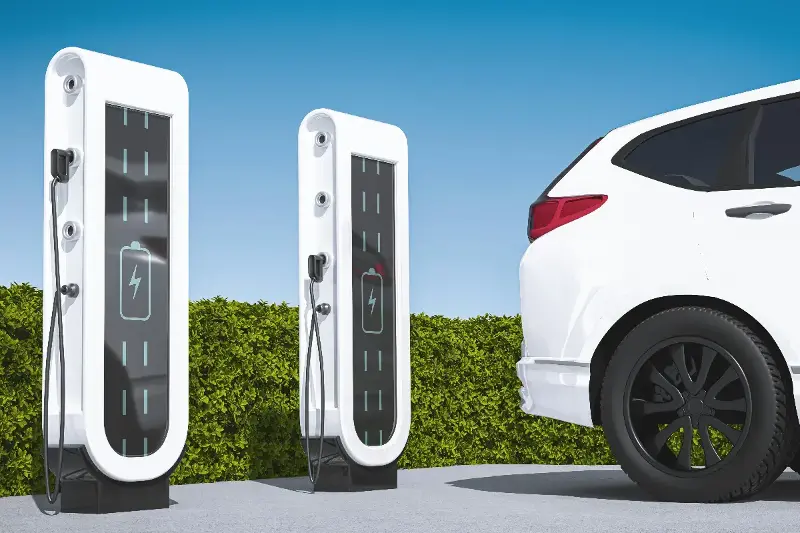
Electric vehicles have been on a thrilling journey, surging from futuristic dreams into the mainstream. But one shadow has often chased every EV on the road: range anxiety. It’s that persistent worry drivers feel about not having enough charge to reach their destination, or worse—being stranded in the middle of nowhere.
Now, a game-changing technology is shifting this story, rewriting the rules and powering the next era of green mobility: solid-state batteries. Let’s dive into how these cutting-edge batteries are banishing range fears and supercharging the global path to sustainable transportation.
SOLID-STATE VS. CONVENTIONAL BATTERIES
Most electric vehicles on the road today run on conventional lithium-ion batteries. While this tech has taken us far, it comes with physical limits regarding energy density, weight, and charging speed.
The architectural shift to solid-state transforms battery performance in remarkable ways:
- Liquid vs. Solid: Traditional batteries rely on a liquid electrolyte to carry a charge between their positive and negative sides. Solid-state technology swaps out that liquid entirely for a solid electrolyte.
- Higher Energy Density: With solid electrolytes, these batteries can store far more energy in a significantly smaller space.
- Enhanced Thermal Stability: Because the solid materials are less prone to overheating, the risk of leaks and fires is drastically reduced, making them much safer for everyday use.
DRIVING FARTHER AND CHARGING FASTER
Imagine driving cross-country without thinking twice about your battery bar. Solid-state electric vehicles promise just that kind of freedom, leaving today's 300-mile limits in the rearview mirror.
- Extended Range: The boost in energy density can nearly double or triple an electric car’s range. Promising prototypes are already touting over 500 miles on a single charge, making range anxiety a thing of the past.
- Rapid Refueling: Unlike traditional cells, solid-state batteries can handle much higher charging rates without degrading. The time it takes to reach an 80% charge could be slashed from close to an hour to just ten or fifteen minutes.
For busy people who think of refueling as a matter of minutes, this rapid-charging capability represents a revolutionary shift in convenience.

A GREENER AND MORE RELIABLE RIDE
Safety and sustainability remain top concerns for anyone behind the wheel, and here is where solid-state technology truly stands out over older lithium-ion formats.
Traditional lithium-ion batteries sometimes pose risks due to their flammable liquid electrolytes and tendency to form dendrites—threadlike metallic structures that can cause short circuits. Solid electrolytes physically block these dendrites, making catastrophic battery failures highly unlikely.
Furthermore, solid-state batteries offer excellent environmental benefits:
- They usually require fewer toxic or rare materials during production.
- They degrade much more slowly, outlasting today’s batteries by thousands of charging cycles.
- Fewer battery replacements mean less electronic waste and a much smaller environmental footprint over the vehicle's lifespan.
THE WHEELS OF INNOVATION: PROGRESS AND CHALLENGES
Many of the world’s top automakers and tech companies are now racing to bring solid-state EVs to mass production. Industry leaders are investing billions of dollars into specialized battery startups to secure a share of this rapidly growing market. Manufacturing giants across Asia, Europe, and North America are following suit, aiming to close the gap on commercial scale.
Of course, every technological revolution comes with hurdles. Current manufacturing is complex and expensive, as the specific ceramics or sulfides needed are difficult to handle at scale. Overcoming these engineering challenges is the exact task that scientists are racing to solve. With immense global investment and momentum, commercial breakthroughs seem inevitable.
TRANSFORMING TRANSPORTATION AND BEYOND
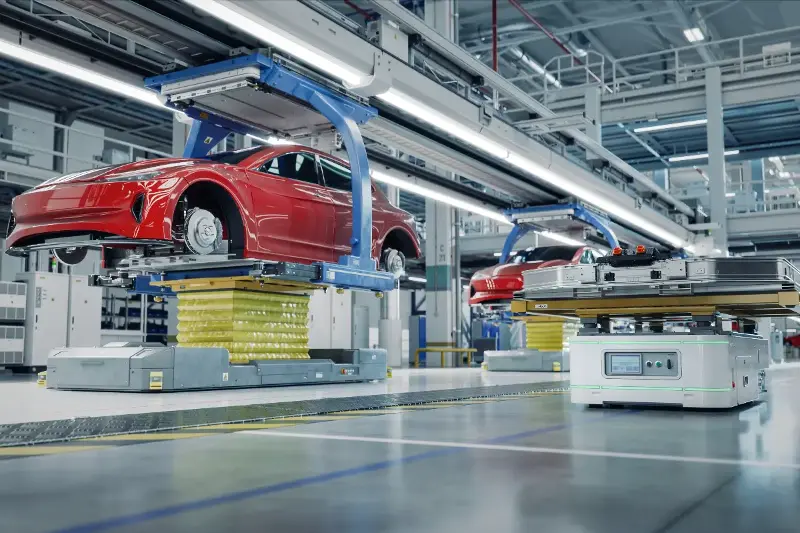
The benefits of solid-state batteries do not stop at longer drives and quicker charges. Their compact size and inherent safety open doors to entirely new vehicle designs, lighter body frames, and more flexible automotive architectures. Smaller batteries mean more interior legroom or, in the case of electric trucks and buses, more capacity for heavy cargo and passengers without sacrificing range.
This energy storage revolution could also leap from the highway into our daily lives. The same technology promises to power smartphones that last for days and store renewable solar or wind energy for the power grid, making all corners of our world cleaner, safer, and infinitely more efficient.