


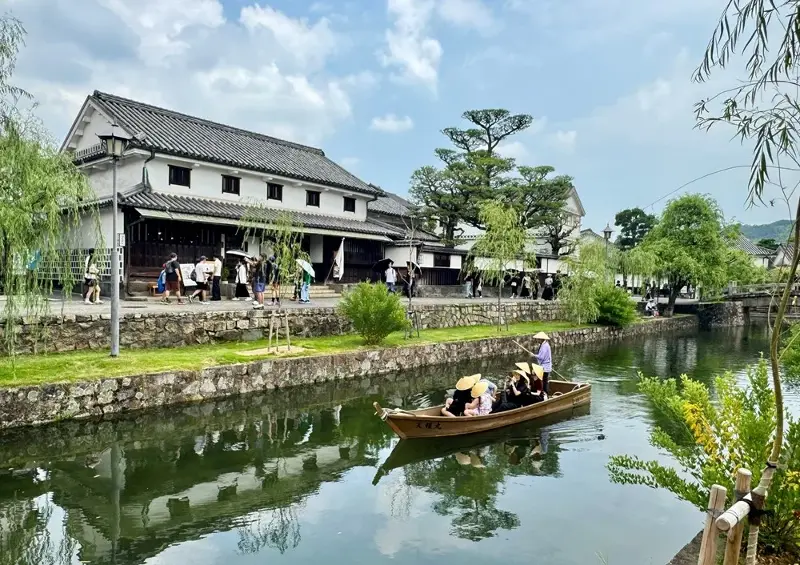
Amidst the modern pace of life in Japan , not many places have managed to preserve such serene and unspoiled beauty.
Just one stroll through the old streets, and you'll easily understand why Kurashiki is always a favorite destination for those who love history, art, and leisurely experiences amidst a space steeped in history.
Located on the Seto Inland Sea coast, not far from Okayama City, Kurashiki is not as bustling as Tokyo or Osaka. This city of over 480,000 people offers a sense of peace from the very first steps.
Gentle breezes from the Seto Sea and winding rivers have enriched the fertile land, creating a Kurashiki that is both rich in agricultural and fishing traditions and thriving in industry, culture, and tourism.
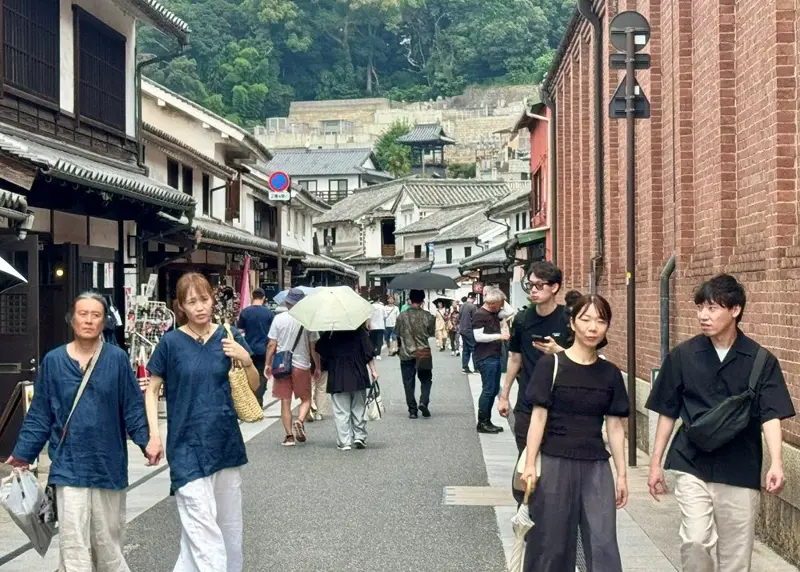
What's most interesting about Kurashiki is that the city doesn't try to cling to the past by framing it in museums. Here, history continues to be present in contemporary life.
In the past, Kurashiki was a bustling commercial city during the Edo period, and later became an important textile center during the Meiji period. Through many transformations, the city has retained those layers of memory, but has taken on a modern, youthful, and vibrant appearance.
If I had to choose one place that I remember most in the heritage city of Kurashiki, it would definitely be the old town of Kurashiki Bikan.
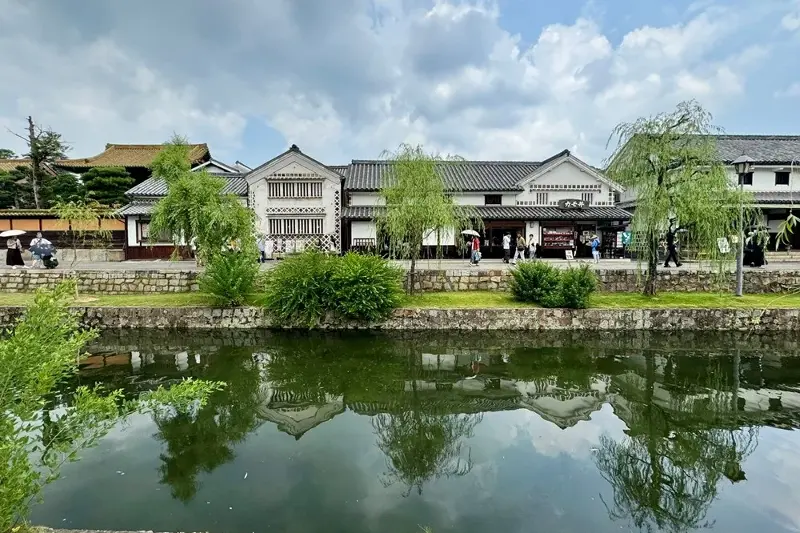
Golden sunlight bathes the rows of white-walled houses that have stood for hundreds of years. The namako walls, with their distinctive patterns, stand out against the white background, and the graceful willow trees cast their shadows over the clear blue canal, creating a scene so beautiful it seems as if it stepped right out of a traditional ink painting.
It's easy to see why Kurashiki Bikan consistently ranks among the most beautiful old towns in Japan.
I chose to wear a traditional kimono and walk slowly along the quiet streets, bustling with tourists.
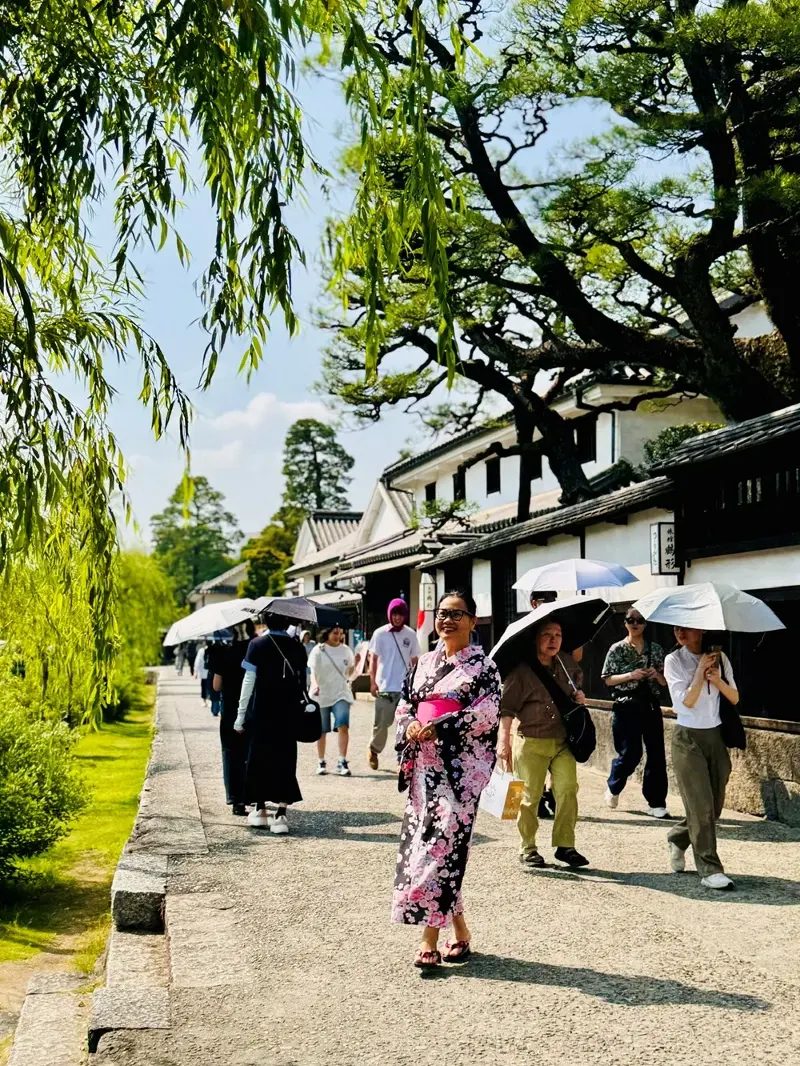
Everything here is worth seeing. The sound of wooden clogs from a few tourists echoes on the cobblestone street. Small boats glide silently along the canal. Every corner evokes a sense of nostalgia, yet it doesn't feel outdated.
What sets Kurashiki Bikan apart is the fusion of tradition and contemporary life.
Centuries-old townhouses have been transformed into charming cafes, craft shops, or creative spaces. Simply opening an old wooden door might reveal the aroma of freshly roasted coffee, a small pastry shop, a lovely ice cream parlor nestled in a shady Japanese garden, or a beautifully decorated souvenir shop.
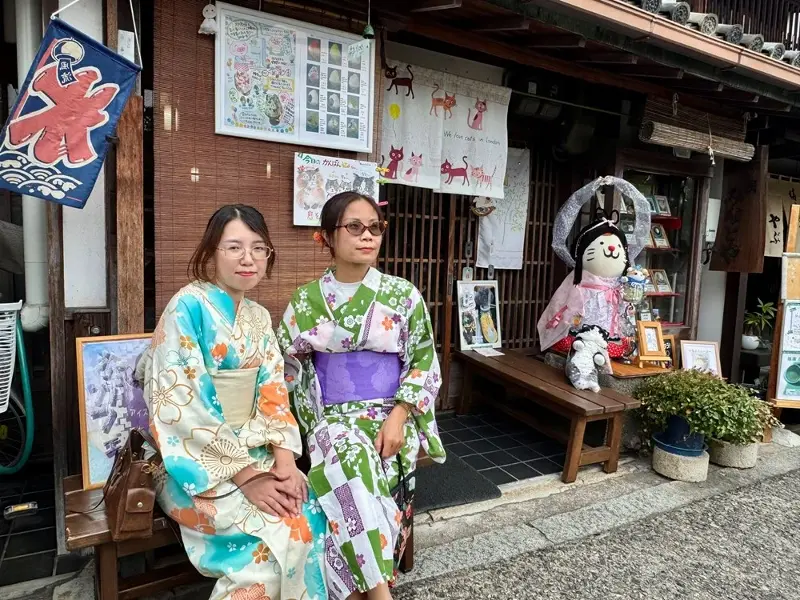
I particularly enjoy local branded clothing stores. Kurashiki has long been known for its high-quality canvas and denim fabrics.
Kurashiki Hanpu and Kurashiki Denim products not only bear the mark of craftsmanship but are also designed in a minimalist, modern style, making them very easy to use in everyday life.
Buying a canvas bag or a pair of denim jeans here is like bringing home a piece of the city's story.
Kurashiki is also a place where art is very naturally present. In the heart of the old town is the Ohara Art Museum – Japan's first private art museum, housing many famous Western paintings.
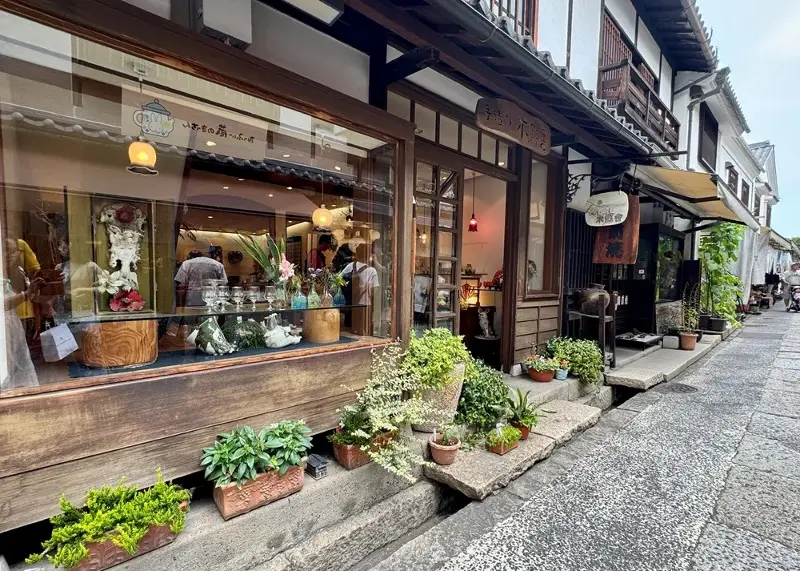
Just a few minutes' walk away is Ivy Square, a renovated complex of former spinning mills. The red brick walls covered in ivy create a classic yet romantic atmosphere, perfect for pausing to relax, enjoy a cup of tea, or simply watch the people go by.
What I liked most about traveling in Kurashiki is that the city doesn't force visitors to follow a packed schedule.
You could spend an entire day just wandering through the old town of Kurashiki Bikan and still find something new. A small pottery shop tucked away in an alleyway sells everyday items. Artisans are meticulously finishing their handcrafted products.
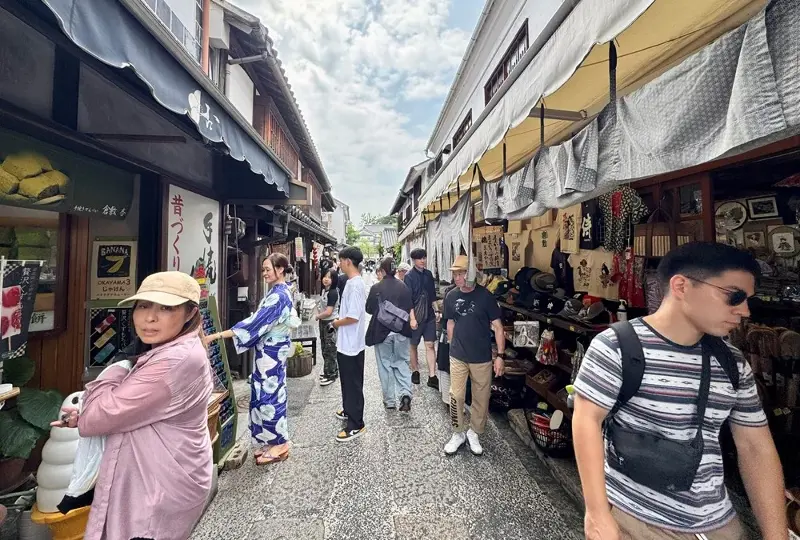
The ice cream shop, made with local fruits, is bustling with people. Or simply sit by the canal, watching the afternoon sun cast its light on the ancient tiled roofs.
Leaving the old town, Kurashiki offers many other experiences. The city boasts a rich culinary scene thanks to its fresh seafood from the Seto Inland Sea and produce grown on the fertile land enriched by the Takahashi River.
Dishes made from seafood, seasonal fruits, or local vegetables retain their natural, delicate flavors, true to the Japanese style.
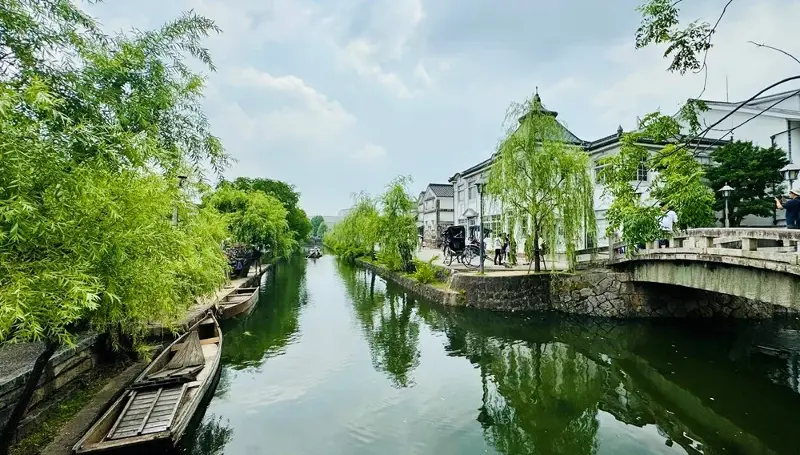
What's most admirable is that Kurashiki doesn't chase after glamour. The city maintains a balanced pace of life. It's modern enough for convenience, ancient enough to preserve memories, and creative enough that each return offers something new to discover.
Leaving Kurashiki, I still remember the image of willow trees casting their shadows on the canal, the white-walled houses silently telling stories of centuries, and the laughter of tourists echoing through the narrow streets.
Perhaps what makes Kurashiki so captivating is the feeling of living at a slower pace in a city that cherishes the past but always looks towards the future. That's also why, among many destinations in Japan, Kurashiki remains a name that makes me want to return again and again.