



1. The role of nuts in blood sugar control
- 1. The role of nuts in blood sugar control
- 2. Suggestions for 5 types of nuts that are good for blood sugar control.
- 2.1 Chia seeds are rich in fiber, which helps slow down sugar absorption.
- 2.2 Flaxseed helps improve insulin sensitivity
- 2.3 Pumpkin seeds are rich in magnesium, which supports glucose metabolism.
- 2.4 Sunflower seeds contain beneficial antioxidant compounds.
- 2.5 Fenugreek seeds have the potential to improve insulin resistance.
- 3. How to incorporate nuts into your diet
- 4. Things to note when using nuts to control blood sugar.
Controlling blood sugar is a key factor in the prevention and treatment of diabetes, especially type 2 diabetes. Besides medication and exercise, diet plays a fundamental role. Among these, nuts are increasingly gaining attention due to their beneficial nutritional components – considered safe and easy-to-use natural remedies.
Most nuts are rich in soluble fiber, plant-based protein, and unsaturated fats. These components help slow down digestion, reducing the rate of glucose absorption into the bloodstream and thus limiting post-meal hyperglycemia. In addition, many nuts provide antioxidants and minerals such as magnesium, which plays a role in insulin regulation.
2. Suggestions for 5 types of nuts that are good for blood sugar control.
2.1 Chia seeds are rich in fiber, which helps slow down sugar absorption.
Chia seeds are small but highly nutritious, especially rich in soluble fiber and protein. When they enter the digestive tract, chia seeds absorb water and form a gel, which helps slow down the digestion and absorption of carbohydrates.
This mechanism helps prevent sudden spikes in blood sugar after meals. Some studies suggest that chia seed supplementation may help lower post-meal blood sugar, however, the results are not entirely consistent. Additionally, chia seeds help increase feelings of fullness, supporting weight management – an important factor in diabetes management.
How to use: Chia seeds can be added to oatmeal, yogurt, smoothies, or soaked in water to make pudding.
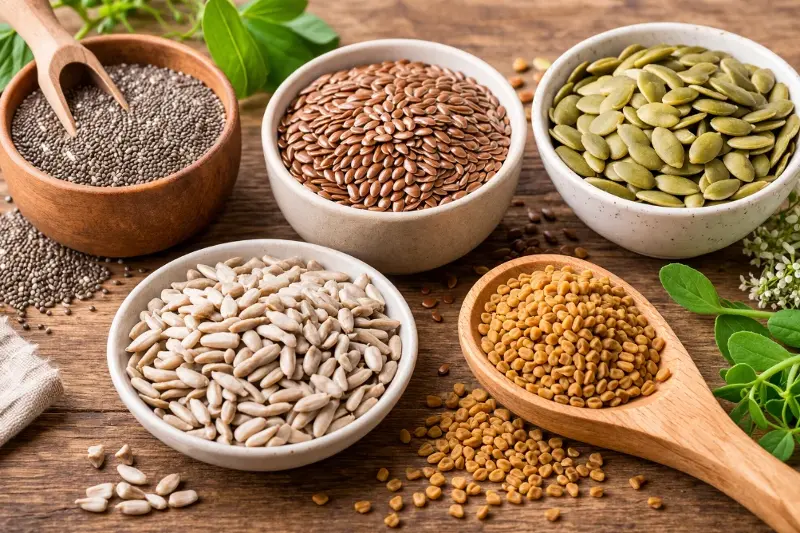
Certain types of nuts are rich in fiber, healthy fats, and micronutrients that can help stabilize blood sugar levels.
2.2 Flaxseed helps improve insulin sensitivity
Flaxseed is a rich source of fiber, plant-based omega-3 fatty acids (ALA), and lignans—compounds with antioxidant properties. Several studies suggest that consuming ground flaxseed or flaxseed oil may help lower blood sugar and improve insulin sensitivity. This is significant in reducing the risk of developing type 2 diabetes.
In addition, the lignans in flaxseed have anti-inflammatory effects and help protect cardiovascular health – a common complication in people with diabetes. Note that ground flaxseed is easier to digest and absorb than whole seeds.
How to use: Mix ground flax seeds into smoothies, yogurt, or use them in baking.
2.3 Pumpkin seeds are rich in magnesium, which supports glucose metabolism.
Pumpkin seeds provide many important nutrients such as fiber, magnesium, zinc, and antioxidants. Magnesium, in particular, plays a vital role in glucose metabolism and insulin function.
Several studies have noted that consuming around 57g of pumpkin seeds with a carbohydrate-rich meal may help reduce postprandial blood sugar spikes. Additionally, diets rich in magnesium have been linked to a reduced risk of type 2 diabetes. Pumpkin seeds also help increase nitric oxide production, supporting vasodilation and improving cardiovascular health.
How to use: Eat directly, or add to salads, soups, or stir-fries.
2.4 Sunflower seeds contain beneficial antioxidant compounds.
Sunflower seeds are a source of unsaturated fats, fiber, and beneficial plant compounds. Notably, they contain chlorogenic acid – an antioxidant that may help regulate blood sugar.
Some preliminary studies suggest that consuming sunflower seeds may help reduce inflammation and improve glucose control. When eaten with carbohydrates, sunflower seeds may reduce postprandial hyperglycemia. However, more large-scale studies are needed to definitively confirm the role of this seed.
How to use: Serve as a snack or add to salads or cereals.
2.5 Fenugreek seeds have the potential to improve insulin resistance.
Fenugreek seeds are a familiar ingredient in traditional medicine and cuisine in several countries. These seeds contain high levels of soluble fiber and bioactive compounds that may affect glucose metabolism. Some studies suggest that fenugreek may improve insulin sensitivity and reduce insulin resistance in people with type 2 diabetes.
However, current evidence is not strong enough to confirm a significant blood sugar-lowering effect. Therefore, the use of fenugreek seeds should be considered carefully and in consultation with a healthcare professional, especially when used as a dietary supplement.
How to use: Can be used in powder form, mixed with food, or incorporated into dishes.
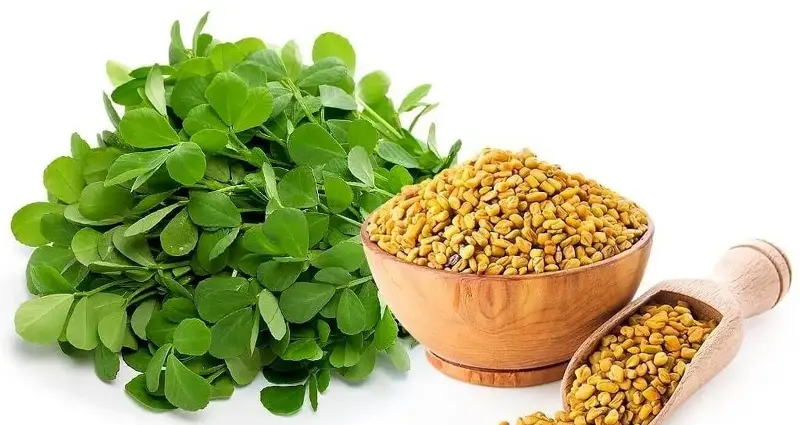
Fenugreek seeds have the potential to improve insulin resistance.
3. How to incorporate nuts into your diet
Nuts can be easily incorporated into your daily diet without significantly altering your eating habits.
Some suggestions include:
- Add it to your oatmeal or breakfast cereal.
- Mix it with yogurt or smoothies.
- Sprinkle it over the salad.
- Use in soups or stir-fries.
- Incorporated into baked goods…
However, portion control is important because nuts are high in calories. Consuming too much can lead to excess calories, affecting weight and blood sugar control.
4. Things to note when using nuts to control blood sugar.
Although beneficial, nuts cannot replace medication or an overall diet. People with diabetes need:
- Maintain a balanced diet, limiting simple sugars and refined carbohydrates.
- Monitor your blood sugar regularly.
- Follow your doctor's treatment instructions.
- Combine regular physical exercise…
Additionally, it's best to prioritize nuts that are unsalted and contain no added sugar or saturated fat.
Please watch the video for more information: