


According to sources from South Korea , the next-generation Hyundai Kona will adopt a more angular and robust design style. The front end will be raised, the hood will be wider, and the body proportions will be substantial, giving it a feel closer to a traditional SUV rather than the current hybrid hatchback-crossover style.
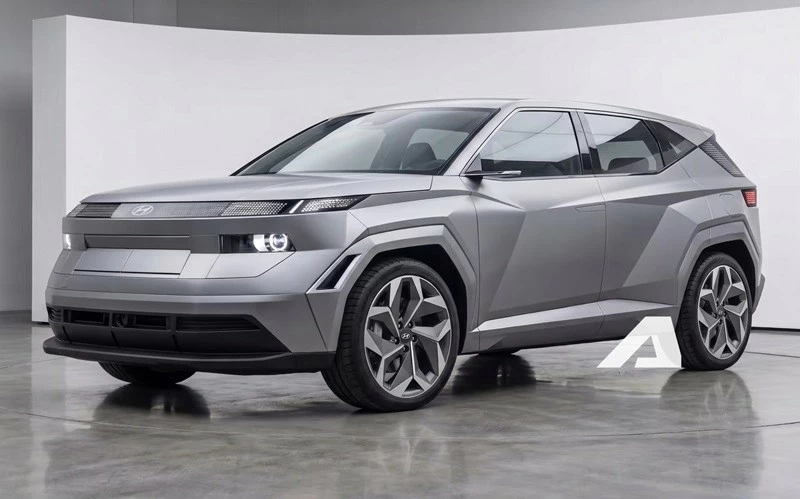
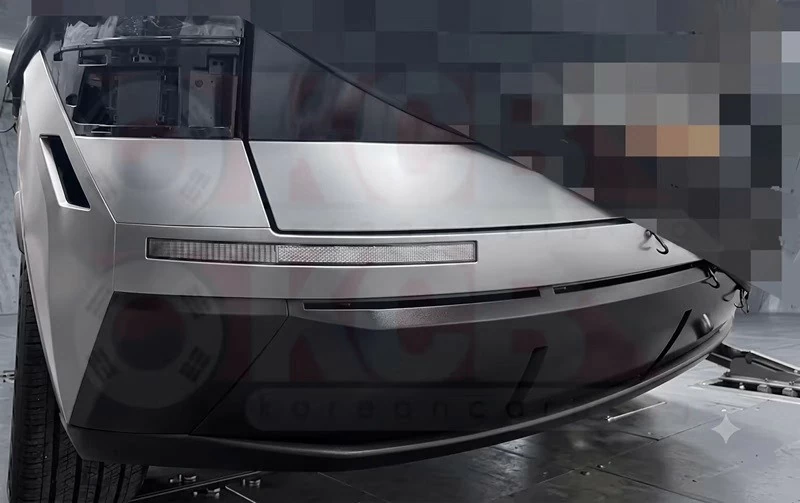
One of the most noticeable changes is the lighting system. Hyundai will likely abandon the split-tiered headlight design previously seen on the Kona in favor of a more seamless design. On higher-end versions, the headlight cluster may feature a Parametric Pixel pattern, the brand's signature design language used on many of its IONIQ electric vehicle models.
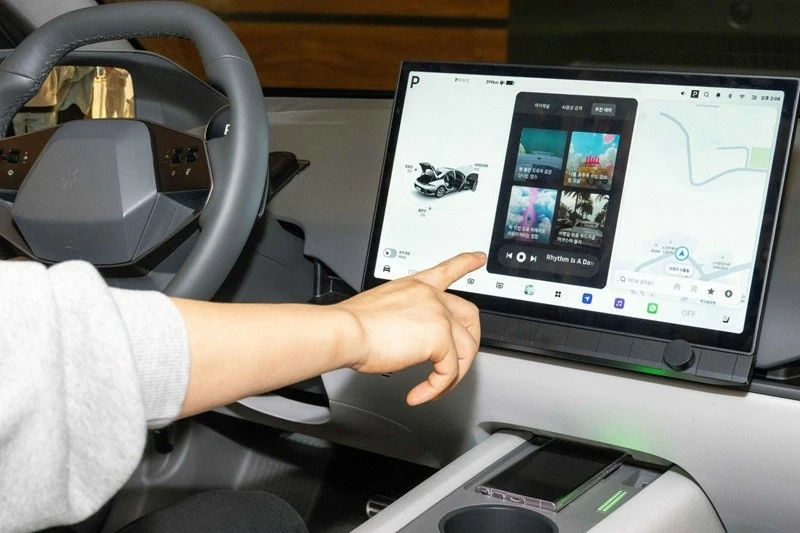
The interior of the new-generation Hyundai Kona is also expected to be modern and minimalist. Leaked information suggests the car may use a dual 12.3-inch screen setup combining a digital instrument panel and a central infotainment screen on a single glass panel. The gear shifter has been moved behind the steering wheel, freeing up space in the center console area, increasing storage capacity, and improving usability.
In addition, Hyundai is expected to upgrade the interior materials, add ambient lighting, and redesign the air vents. These changes promise a more premium feel, bringing the new generation Kona closer to larger SUVs in its segment.
In terms of powertrain, the new generation Hyundai Kona is rumored to be adding a hybrid version for the first time, using a 1.6L gasoline engine combined with an electric motor. This powertrain is likely to be shared with several models from the Hyundai Motor Group, aiming for fuel efficiency and meeting the growing trend of electrification.
In addition to the hybrid version, Hyundai may also offer an E-AWD (electronic all-wheel drive) configuration with an electric motor located on the rear axle. If equipped, the total power output is expected to increase to around 178 horsepower, significantly higher than the current front-wheel drive version, while also improving traction in various driving conditions.

Beyond hardware upgrades, the new generation Hyundai Kona is also expected to integrate the Pleos Connect software platform, enabling remote updates, expanded connectivity features, and personalized user experience. While the manufacturer hasn't confirmed a launch date, continuous reports suggest the new Kona is nearing completion before its official debut in the near future.